Source Inflatable Shooting Game Systems for Amusement Parks
Compare 30 available options for the ips system inflatable shooting game designed for commercial rental, sports training, and family entertainment. Buyers can evaluate customization, certifications, and pricing to find suitable suppliers for amusement parks and schools.
Key considerations
Products List


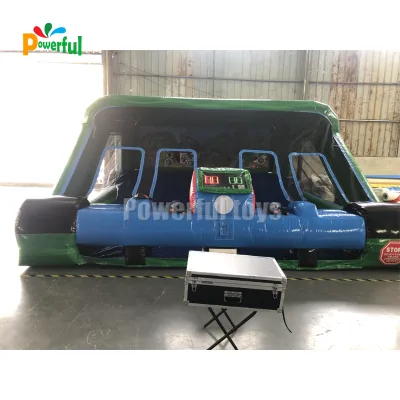
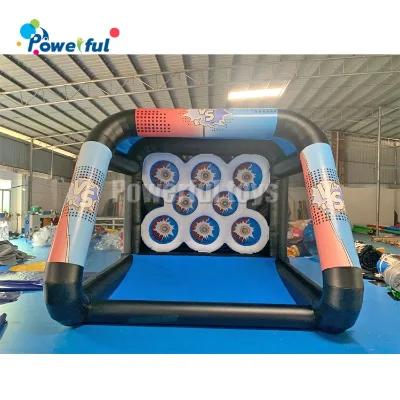


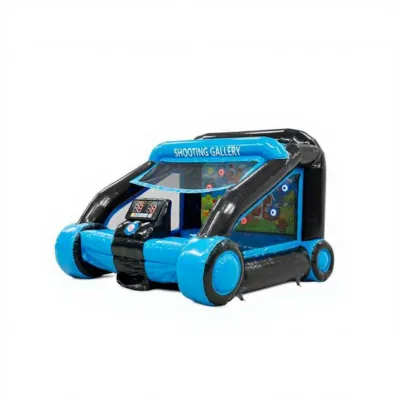


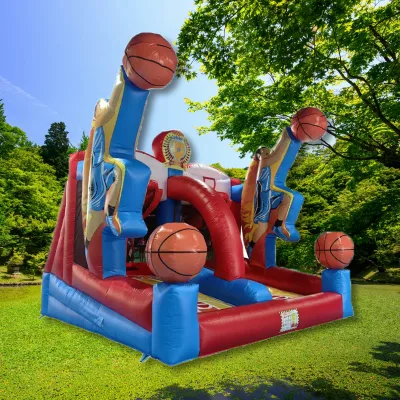
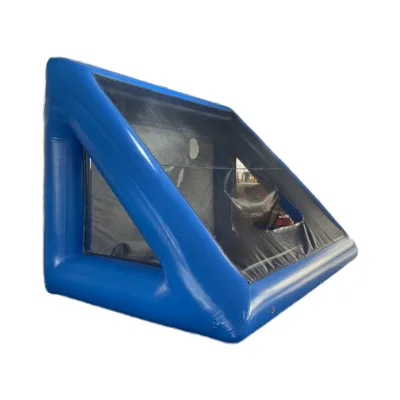
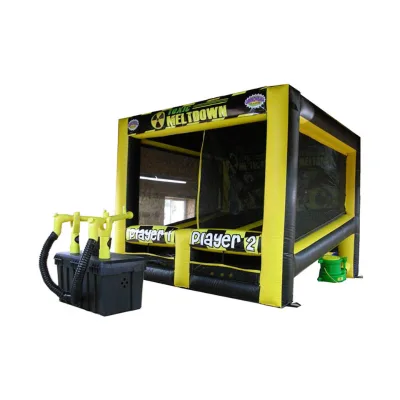


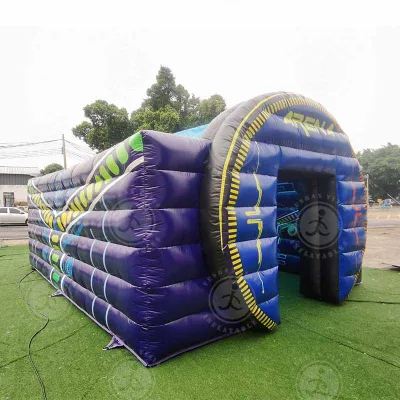
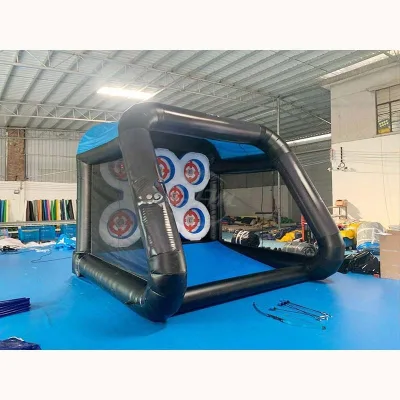
Comprehensive Sourcing Guide
Sourcing Guide for Inflatable Shooting Game Systems
Understanding the Core Product Category and Technical Specifications
When sourcing an inflatable shooting game system, often categorized under inflatable entertainment or air-supported structures, buyers must first distinguish between generic inflatables and specialized shooting game units. The market data indicates that these systems are primarily constructed from PVC (Polyvinyl Chloride) materials, selected for their durability, flexibility, and resistance to environmental wear. The manufacturing process typically involves heat welding, a critical technique that ensures seams are airtight and robust enough to withstand the high-pressure inflation required for stable gameplay.
Technical specifications vary significantly based on the intended application, whether for commercial rental, amusement parks, or family events. Observed product models in the current market range from compact units with dimensions around 2x1.5 meters to larger commercial-grade structures measuring up to 6x4 meters or even 5.3x3x3.5 meters. The "Allowable Passenger" capacity is a crucial metric for safety and liability; some units are designed for smaller groups, while others accommodate larger crowds, often requiring specific certification to validate these load limits.
The structural design often includes a blower or air pump as a standard accessory, essential for maintaining the rigidity of the inflatable during operation. For shooting game applications, the internal layout must accommodate target mechanisms and safe zones for participants. The product standard often cited in the supply chain includes dimensions like 1.5m, 3.1x2x4m, or fully customized sizes, allowing buyers to tailor the footprint to their specific venue constraints. The weight of these units is variable, described as "as per actual weight," which impacts logistics planning and shipping costs.
Compliance, Certification, and Safety Standards
Safety compliance is the most critical factor when procuring inflatable entertainment systems. Buyers must verify that the supplier provides valid documentation for recognized safety standards. The most frequently observed certification in the current product listings is the CE mark, which indicates conformity with health, safety, and environmental protection standards for products sold within the European Economic Area. Some suppliers also reference EN14960, a specific European standard for inflatable play equipment, which outlines requirements for design, construction, and testing.
Additionally, regional standards such as the Australian Standard may be relevant depending on the target market of the equipment. It is imperative for buyers to request the specific test reports associated with these certifications rather than accepting a general claim of compliance. The "Allowable Passenger" count must be explicitly stated and verified against the certification documents to ensure the unit has been tested for its maximum load capacity. Without these documents, the risk of structural failure or liability issues increases significantly.
The material itself, typically PVC, must meet fire retardancy standards, although specific fire ratings are not universally listed in the provided data. Buyers should inquire about the flame retardant properties of the PVC fabric used, as this is a mandatory requirement in most commercial jurisdictions. The warranty period observed in the market is often two years, which serves as a baseline expectation for product longevity, but this should be clearly defined in the contract regarding what constitutes a covered defect versus normal wear and tear.
Cost Drivers and Pricing Structure Analysis
The pricing for inflatable shooting game systems is highly variable, with observed ranges extending from approximately $81 to nearly $10,000 USD. This wide disparity is driven by several key factors, including the size of the unit, the complexity of the design, and the quality of the materials used. Smaller, custom-sized units or those intended for home or small family use will naturally fall at the lower end of the price spectrum. Conversely, large-scale commercial units designed for amusement parks or large rental businesses, which may include advanced features like integrated shooting targets, complex graphics, and reinforced structures, command premium prices.
Material quality is a primary cost driver. While the base material is PVC, the thickness, tensile strength, and UV resistance of the fabric vary. Higher-grade PVC, which offers better resistance to tearing and fading under sun exposure, will increase the unit cost. The manufacturing process also influences price; heat-welded seams are generally more labor-intensive and durable than glued seams, contributing to a higher price point but offering better long-term value.
Logistics and shipping terms are another significant component of the total cost of ownership. The observed trade terms include EXW (Ex Works), which places the responsibility for all shipping and insurance costs on the buyer. Shipping methods vary from sea freight to air express, with sea freight being the most economical for large, heavy units but requiring longer lead times. Air express is faster but significantly more expensive. Buyers must calculate the total landed cost, including freight, insurance, and potential customs duties, rather than focusing solely on the unit price.
Typical Applications and Usage Scenarios
Inflatable shooting game systems are versatile assets suitable for a wide array of applications. The primary use cases identified in the market include commercial rental, amusement parks, and sports training facilities. These units are designed to be durable enough for high-traffic commercial environments where they will be set up and taken down frequently. The "Primary Use" is often listed as commercial rental, indicating that the equipment is built to withstand the rigors of professional event management.
Secondary applications include schools, family events, and supermarket promotions. The "Suitable for" category often lists Supermarkets, Amusement Parks, Schools, and Families, highlighting the adaptability of these systems for both public and private sectors. For instance, a smaller unit might be ideal for a supermarket promotion or a school fair, while a larger, more complex system would be better suited for a permanent amusement park installation.
The usage is also categorized under entertainment and games, with specific mentions of advertising and celebration events. The ability to customize the logo and design allows businesses to brand the inflatable for specific marketing campaigns. This customization feature is a key selling point for corporate clients looking to create engaging brand experiences. The "Other Use" category often includes sports training, suggesting that these systems can be adapted for skill development or team-building exercises.
Supplier Evaluation and Procurement Strategy
When evaluating potential suppliers, buyers should focus on a comprehensive assessment of their capabilities beyond just the product catalog. The market data shows that many suppliers offer OEM (Original Equipment Manufacturer) services and support customized branding, which is essential for businesses looking to create a unique product identity. The availability of customization, including logo printing and design modifications, is a standard feature, but the quality of the execution must be verified.
Key evaluation criteria should include the supplier's production capacity, quality control processes, and after-sales support. The observed lead time for these products ranges from 10 to 15 days, which is a critical factor for buyers with tight project timelines. Buyers should confirm this lead time in writing and understand if it includes the time for customization and final inspection. The minimum order quantity (MOQ) is typically low, often starting at 1 piece, which allows for small-scale testing or single-unit purchases.
Shipping and packing methods are also important considerations. Products are typically packed in strong PVC bags or carry bags, which protect the unit during transit. The shipping way can be by sea, air, or express, and the supplier should provide clear options based on the buyer's urgency and budget. The place of origin is frequently listed as Guangzhou, China, a major hub for inflatable manufacturing, but buyers should verify the specific factory location to ensure it aligns with their quality expectations.
Quality Control and Long-Term Procurement Considerations
Quality control is paramount for inflatable systems due to the safety risks associated with structural failures. Buyers should insist on a rigorous quality control process that includes pre-shipment inspections. The warranty period of two years observed in the market suggests a commitment to product durability, but the terms of the warranty must be clearly understood. This includes coverage for manufacturing defects, material failures, and the availability of replacement parts.
Accessories such as repair kits, which often include a carry bag and repair material, are standard inclusions. These kits are essential for maintaining the unit and addressing minor damages that may occur during operation. The presence of an air pump or blower as an accessory is also critical, and buyers should verify the power requirements and compatibility of these components with their local electrical standards.
For long-term procurement, buyers should consider the lifecycle of the product. The "Condition" is typically listed as new, but the longevity of the unit depends on proper maintenance and storage. The "Productive Technology" of heat welding is a positive indicator of durability, but regular inspections of seams and valves are necessary. Buyers should also evaluate the supplier's ability to provide ongoing support, including spare parts and technical assistance, to ensure the equipment remains operational for its intended lifespan.
Summary of Key Product Attributes and Comparison
To facilitate a clear comparison of available options, the following table summarizes the key attributes observed in the market for inflatable shooting game systems. This data is derived from the specific product listings and should be used as a reference for verifying supplier claims.
| Attribute | Observation / Range | Notes for Verification |
|---|---|---|
| Material | PVC | Verify thickness and fire retardancy rating. |
| Customization | Available | Confirm logo printing and design modification capabilities. |
| Standard Size | 1.5m to 6x4m (Customizable) | Ensure dimensions match venue constraints. |
| Certification | CE, EN14960 (Optional) | Request specific test reports for all claims. |
| Warranty | 2 Years | Review terms for coverage and exclusions. |
| MOQ | 1 Piece | Confirm if bulk discounts apply for larger orders. |
| Lead Time | 10 to 15 Days | Verify if this includes customization time. |
| Shipping | Sea, Air, Express | Calculate total landed cost including freight. |
| Accessories | Air Pump, Repair Kit | Check compatibility and power requirements. |
| Origin | Guangzhou, China | Verify factory location and production capacity. |
In conclusion, sourcing an inflatable shooting game system requires a meticulous approach that balances technical specifications, safety compliance, and cost considerations. By focusing on verified data, requesting detailed documentation, and evaluating suppliers based on their ability to meet specific customization and quality standards, buyers can secure reliable equipment that meets the demands of their entertainment or commercial operations. The low MOQ and high customization options available in the market provide flexibility for various business models, from small events to large-scale amusement parks.
FAQs
What material is used for the inflatable shooting game?
The product is constructed from durable PVC material selected for flexibility and environmental resistance. This material ensures the structure remains airtight and robust during high-pressure inflation required for stable gameplay.
Can the inflatable shooting game be customized for branding?
Yes, customization is available including custom logo printing and design modifications. Buyers can tailor the footprint and graphics to match specific venue constraints or marketing campaign needs.
Which certifications are required for safety compliance?
The product typically holds CE certification to indicate conformity with European safety standards. Some listings also reference EN14960 and Australian Standards, though specific test reports must be verified for each unit.
How long is the lead time for production?
The standard lead time ranges from 10 to 15 days for manufacturing and preparation. This duration includes time for customization and final inspection before the unit is ready for shipment.
What is the minimum order quantity for purchase?
The minimum order quantity is typically 1 piece, allowing for small-scale testing or single-unit purchases. This low MOQ facilitates entry for buyers without needing to commit to large bulk orders initially.
Where are these inflatable systems manufactured?
The products originate from Guangzhou, China, a major hub for inflatable manufacturing. Buyers should verify the specific factory location to ensure it aligns with their quality expectations and logistics planning.
What accessories are included with the inflatable unit?
Standard accessories include an air pump or blower essential for maintaining rigidity during operation. A repair kit containing a carry bag and repair material is also provided for maintenance and minor damage repair.